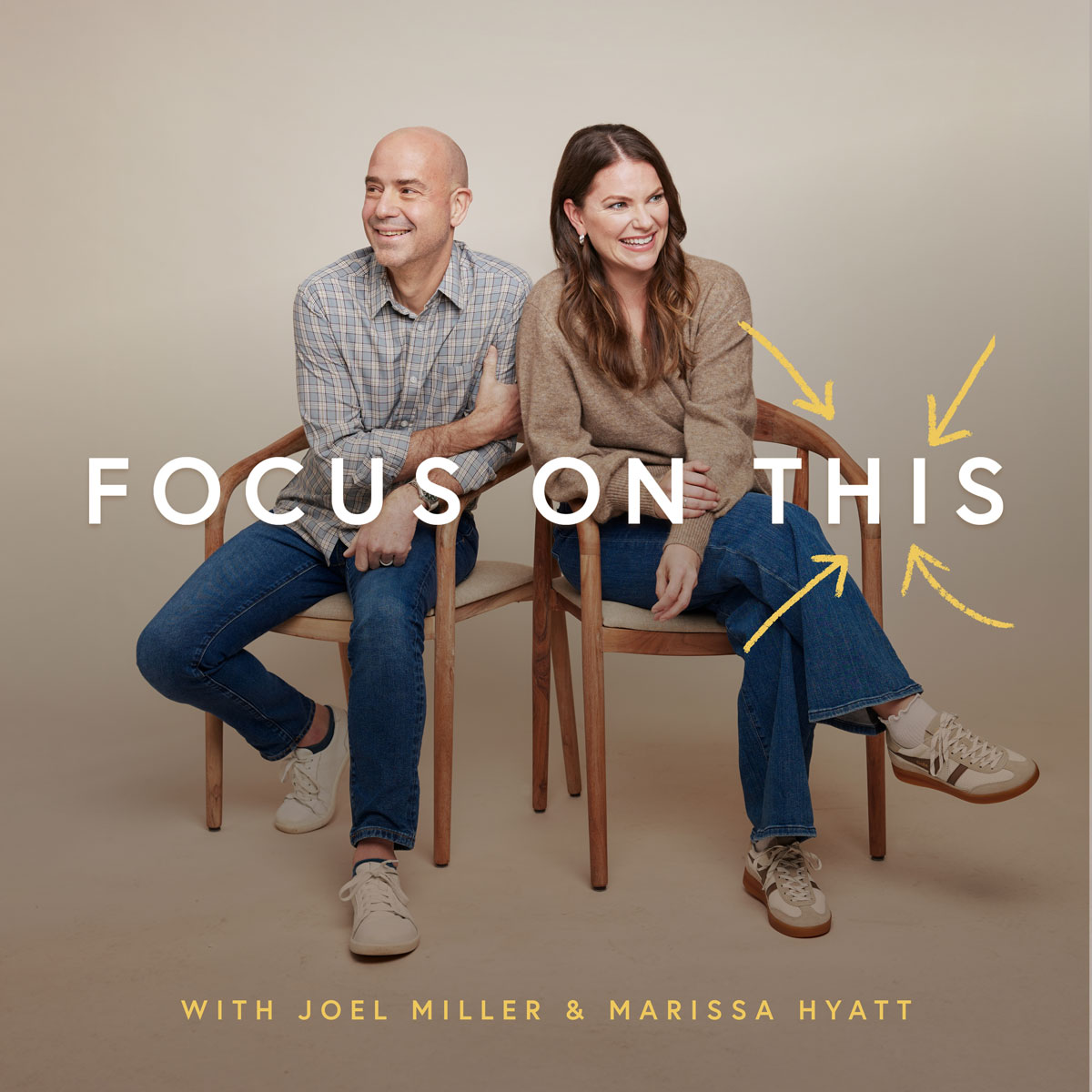
The Optimizer is quick to notice the gaps between what is and what could be, but they’re slower to recognize when finished work is good enough. They make sure the work gets done right, the first time. That’s a recipe for excellence, but also for exhaustion—often tied up with some unintentional self-shaming. In this episode, Joel and Marissa dive into what makes the Optimizer tick, why they’re a crucial part of our teams, and where they’re most likely to get stuck. Then they sit down with two Optimizers to talk about how it plays out at work and at home, and how they’re learning to work with the way they’re wired.
Key Takeaways
- Optimizers Know About “Should.” If you’re an Optimizer, you know there’s a way the work should get done, and you’re committed to rising to the challenge. You spot the flaws before anyone else does and you’re always looking for ways to improve both your work and your life. You’re committed to continuous improvement—and your results reflect that.
- Your Double-Edged Sword: High Standards. Your high standards make you exceptional. Your work is done impressively well, you need almost no oversight, and you improve processes nobody else thought were broken. Those standards are also what leave you exhausted, refining long past the point of necessity and interpreting every flaw in the work as indicating a flaw in you.
- The Cost Compounds Over Time. Your standards never lower, so the relief of finishing never comes. You can’t prove yourself to yourself, so you can’t win the game you set up. Meanwhile, the people around you start feeling the strain of expectations they can’t meet, and the work loses the joy that made you care about doing it well.
- Ration Your Excellence. Right now, you’re probably applying one standard to work of wildly unequal value. Instead, decide which few tasks deserve such high refinement. For the rest, when it’s 95% done, it’s done. This week’s challenge: pick one low-leverage task, notice the gaps, and send it anyway.
- Let Your Priorities Do the Deciding. Clarify what’s uniquely yours, what drives results, and what matters now. That discernment allows you to identify where you should channel your excellence, and where you can cut yourself (and your team) some slack.
Special Thanks: To Tina K. and Zoe L. for the generosity of their time and insight as episode interviewees.
Resources
- Take the Assessment: fullfocus.co/ws
This episode was produced by Sarah Vorhees Wendel of VW Sound